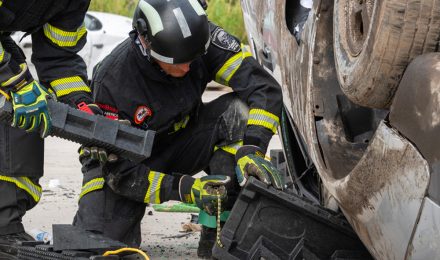

Before a rescue can begin and lives can be saved, first responders must stabilize the vehicles involved in an accident.
Auto stabilization, the process of ensuring a crash site is safe and secure for both rescuers and victims, is critical to the success of any rescue operation. Emergency medical services (EMS), firefighters, and law enforcement officers often follow a standardized vehicle accident stabilization checklist to make sure no detail is overlooked under pressure.
Checklist for Ensuring Crash Stability
A vehicle stabilization checklist is part of a broader accident scene safety protocol. It typically covers scene security, potential hazardous materials (hazmat) contamination, electrical and ignition safety, and safe glass removal or access points.
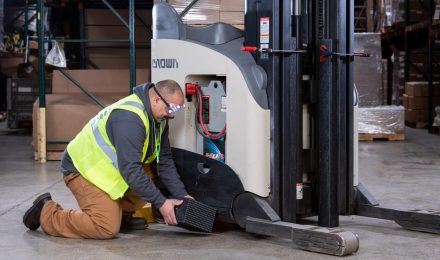
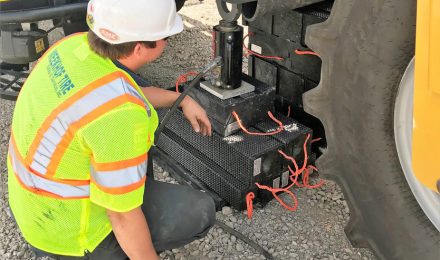
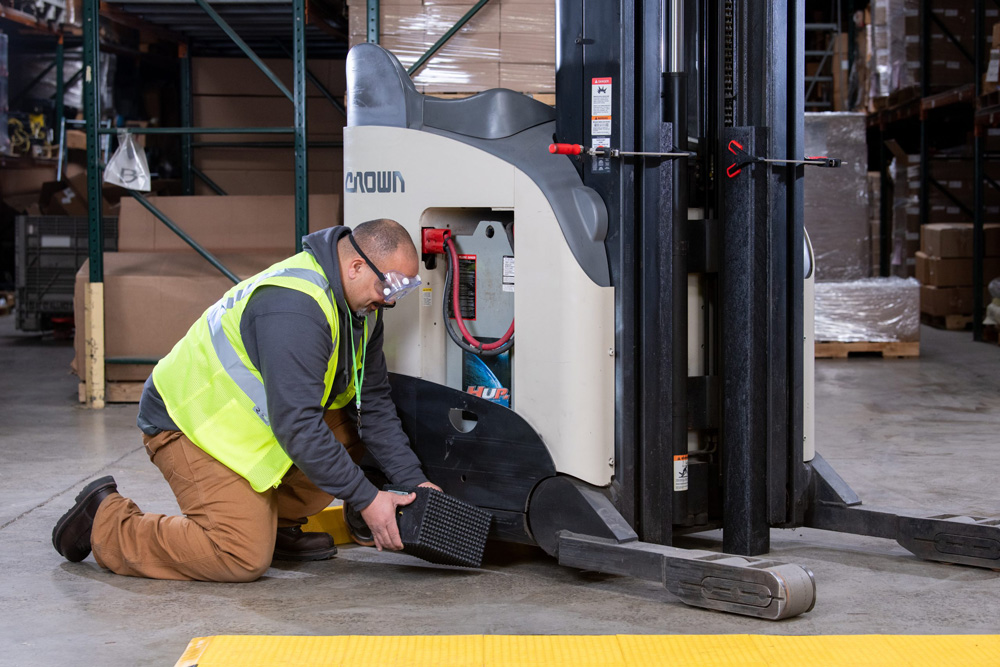
Once the scene is secured, the proper authorities are notified, and local traffic control is in place, rescuers can turn their attention to vehicle and load stabilization. After chocking both sides of at least one axle and applying the parking brake when possible, crews focus on creating a stable environment to prevent further movement or collapse.
Key Auto Stabilization Guidelines
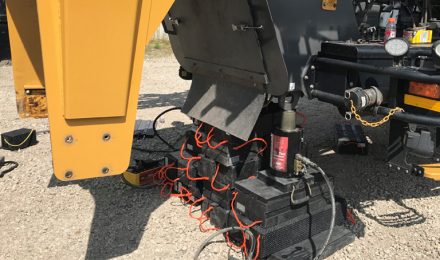
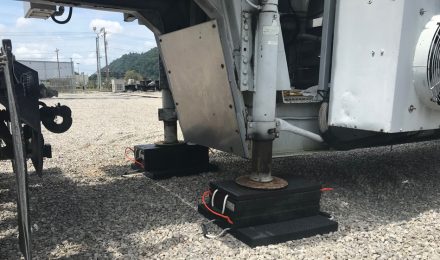
Turtle Plastics has spent decades refining auto stabilization blocks, chocks and pads, providing reliable products to help first responders perform safely and efficiently. Our line of 100% recycled plastic cribbing blocks, chocks and pads are engineered to stabilize vehicles, including rail, buses, and trucks during rescue operations—a safer alternative to traditional wood cribbing.
- Contact points. More contact points mean greater overall stability. For example, a nine-point box crib provides superior strength and reliability compared to makeshift or improvised setups.
- Height-to-width ratio. To prevent tipping, maintain a 3:1 height-to-width ratio when stacking cribbing blocks, as recommended by the U.S. Army Corps of Engineers.
- Corner overlap. Maintain at least four inches of overlap at the corners of a cribbing stack to ensure proper load transfer and overall structural integrity.
- Load distribution. Always consider the weight capacity of your stabilization structure. Turtle Plastics cribbing blocks feature clearly labeled load ratings that are valid when the load is evenly distributed.
Wood or Plastic Cribbing?
The choice between wood and plastic cribbing can greatly impact the safety and reliability of your stabilization efforts. Wood is prone to splintering, rotting, and moisture absorption, and can fail unpredictably under load or chemical exposure.
By contrast, our composite cribbing is non-porous, rot-resistant, and chemically durable, making it ideal for demanding accident stabilization environments. It is splinter-free, consistent in performance, and engineered with clear load labeling for easy reference. While wood blocks may appear cheaper upfront, Turtle Plastics cribbing has a significantly longer service life, offering safety, durability, and long-term value. Importantly for the health of all our first responders, our products can be decontaminated with any agent on the EPA List-N.
To learn more about auto stabilization and how Turtle Plastics products support safe, reliable rescue operations, call (800) 756-6635 or contact us online.