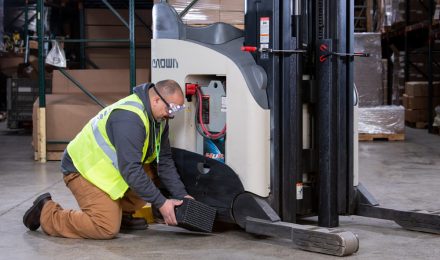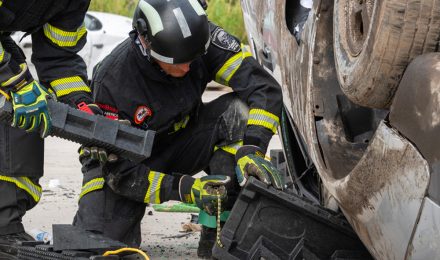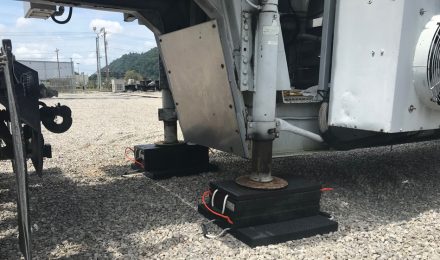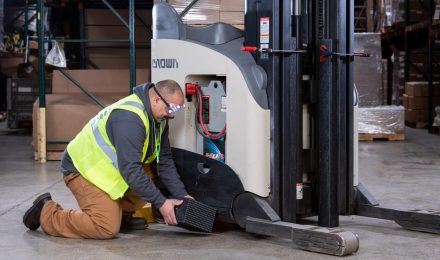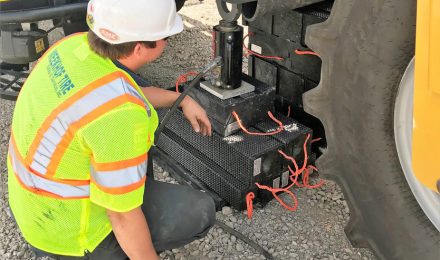
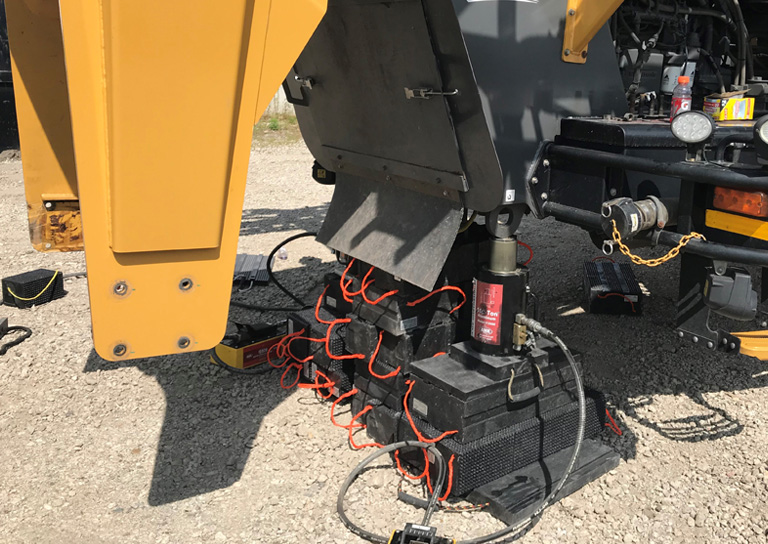

Cribbing is an indispensable tool when working safely with heavy equipment. For decades, wood blocks were the standard, but the industry is steadily moving toward more advanced alternatives. Recycled plastic cribbing, pioneered by Turtle Plastics, has become the new benchmark. Engineered for strength, stability, and longevity, our Dura Crib® interlocking blocks, chocks and pads deliver consistent performance that wood cannot match—resisting chemical contamination, rot, moisture, and corrosion while remaining consistent over time.
High-density Plastic with Proven Reliability
Dura Crib® cribbing is manufactured in the USA from 100% recycled plastic. It was first trusted in emergency and rescue operations to stabilize vehicles at accident scenes and has since gained widespread adoption across industrial maintenance departments. Today, more companies are choosing plastic cribbing when stabilizing equipment and vehicles because it provides measurable advantages across safety, durability, and long-term cost savings.
Key Advantages of Dura Crib®
Plastic cribbing eliminates many of the challenges associated with wood while offering distinct advantages:
- Load capacity: Each block is load-rated up to 250,000 lbs. and can withstand 685 to 1,200 PSI of compression without cracking or splintering. Traditional wood cribbing varies widely by species, typically ranging between 200 and 1,000 PSI.
- Safety and stability: Dura Crib® is splinter-free, interlocking by design, and clearly labeled with maximum load ratings; standards not consistently found in wood products.
- Hygiene: Fully washable and odor-free, the material is ideal for clean-room and contamination-sensitive environments; wood’s porous surface and moisture retention make difficult.
- Cost-effectiveness: Plastic cribbing provides long-term savings through greater durability and consistency compared to wood.
- Sustainability: Every block is made from 100% recycled plastic, reducing demand for timber while providing a product that does not degrade over time.
Making the Transition to Plastic
As these advantages become clear, the transition from wood to plastic is accelerating. Companies across construction, mining, aerospace, emergency response, and transportation industries have adopted Dura Crib® solutions as part of their maintenance protocols. The shift is happening at every level—OEMs offering maintenance support, third-party providers looking for cost advantages, and in-house maintenance teams that prioritize safety and efficiency.
Examples Across Industries
- Mining and Construction: A global OEM replaced wood cribbing with Dura Crib® Prime Crib® blocks across its operations to achieve superior load stabilization and reliability.
- Industrial maintenance: A leading automotive OEM, turning to Dura Crib® for its cleanability, longevity, and safety for their maintenance bays. The absence of splinters and the interlocking design greatly reduce workplace injuries.
- Emergency and fire services: The largest fire department in the USA, FDNY has adopted Dura Crib® products specifically for their subway rescue challenges. Rising timber costs and budget constraints make plastic especially attractive in public-sector applications.
- Aerospace: NASA’s Artemis program specified Dura Crib® for the Orion spacecraft project because it is safe for clean-room environments while handling extreme loads.
Take the Next Step
The evolution from wood to plastic cribbing reflects a broader commitment to reliability, sustainability, and worker safety. To learn more about how Turtle Plastics can help you implement best practices in your maintenance operations, call (800) 756-6635 or contact us online.